← Swipe to navigate →
A journey through the monuments of two magnificent states — their history, architecture, and stories carved in stone and gold.
I, Aditya Narayan, a student of Class X, Delhi Public School Kalinga, would like to express my sincere gratitude to all those who helped me in the successful completion of this project.
First and foremost, I am deeply grateful to my respected class teacher, Mrs. Ipsita Mallick, whose constant guidance, encouragement, and valuable suggestions were instrumental throughout the making of this project.
I would also like to thank my parents for providing me with the necessary resources, a conducive environment to work, and their unwavering support and motivation throughout the holiday period.
I am grateful to my school, Delhi Public School Kalinga, for providing the opportunity to work on such an enriching project that has helped me explore the cultural heritage of our country in a deeper and more meaningful way.
Finally, I acknowledge the various books, websites, and online resources that served as valuable references during the research and preparation of this project.
India is a land of diverse culture and history, and its monuments stand as timeless witnesses to its glorious past. Two states that reflect this richness beautifully are Odisha and Punjab. While Odisha is known for its ancient temples and rock-cut caves that reflect the Kalinga style of architecture, Punjab is famous for its sacred shrines and historical sites that speak of the Sikh heritage and Mughal era. This project explores and compares the most iconic monuments of these two magnificent states.
 View in Gallery →
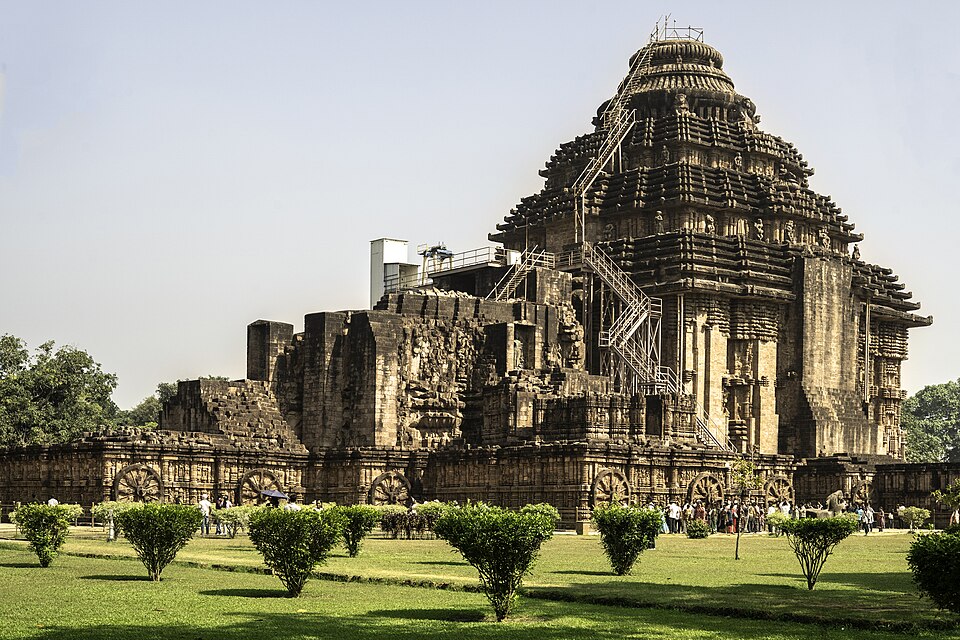
Built in the 13th century by King Narasimhadeva I — a UNESCO World Heritage Site shaped as a gigantic chariot with 24 carved wheels and 7 horses, dedicated to the Sun God Surya.
UNESCO Heritage · 13th Century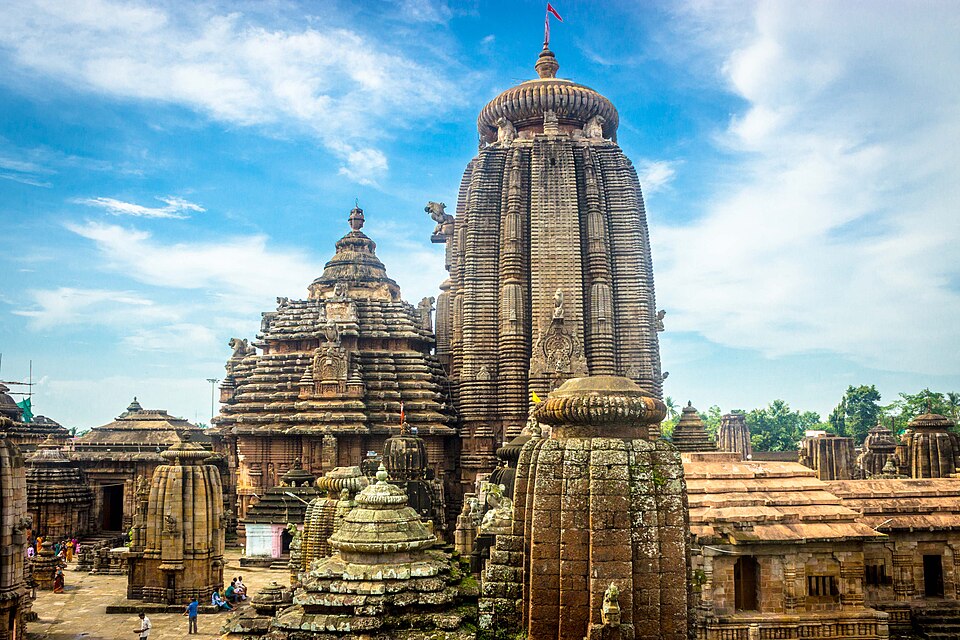 View in Gallery →
One of the oldest temples in Odisha dating to the 11th century — 55 metres tall, surrounded by over 100 smaller shrines, a masterpiece of Deula architecture.
Deula Style · 11th Century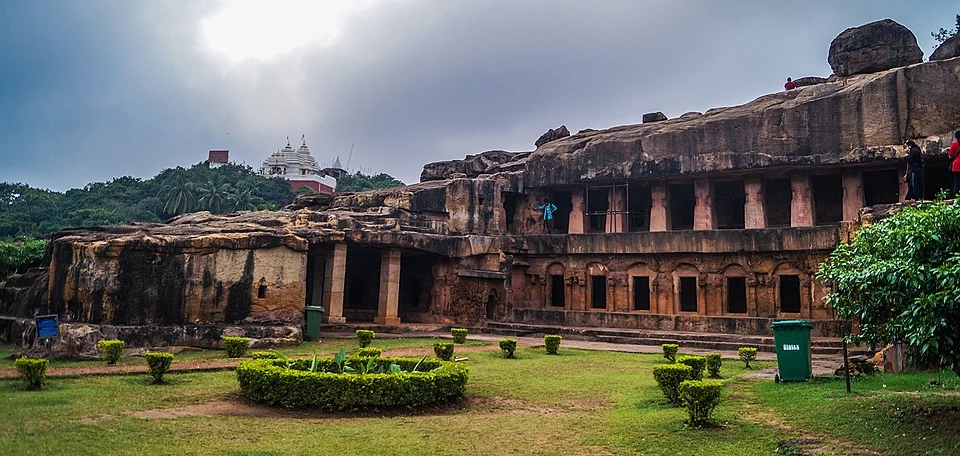 View in Gallery →
Ancient rock-cut caves from the 2nd century BCE carved during King Kharavela's reign — Jain monk residences adorned with royal processions and mythological carvings.
Rock-Cut · 2nd Century BCE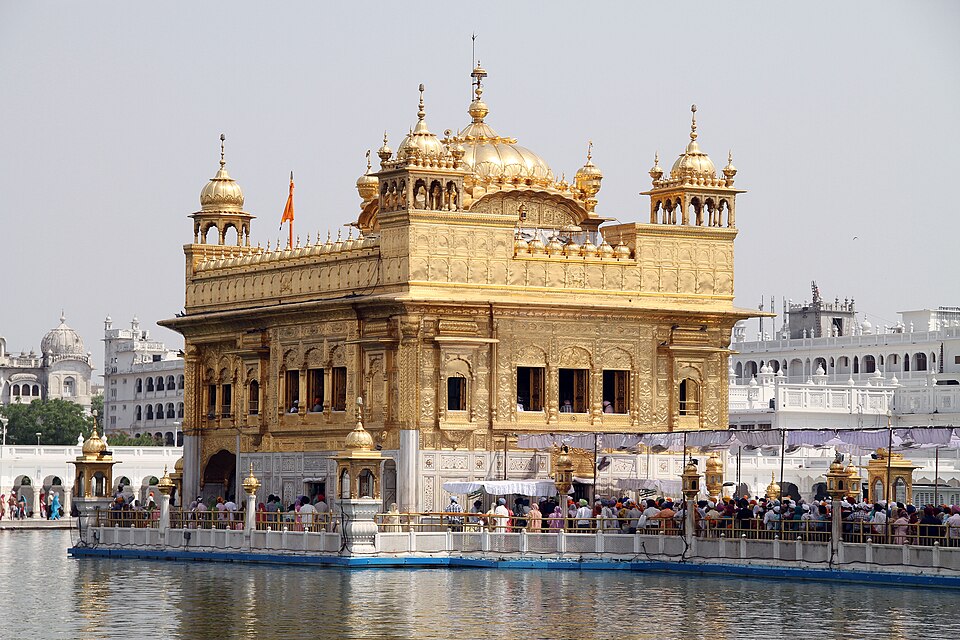 View in Gallery →
The holiest shrine in Sikhism — built by Guru Arjan Dev Ji in the 16th century, its upper half covered in pure gold, surrounded by the sacred Amrit Sarovar.
Sikhism · 16th Century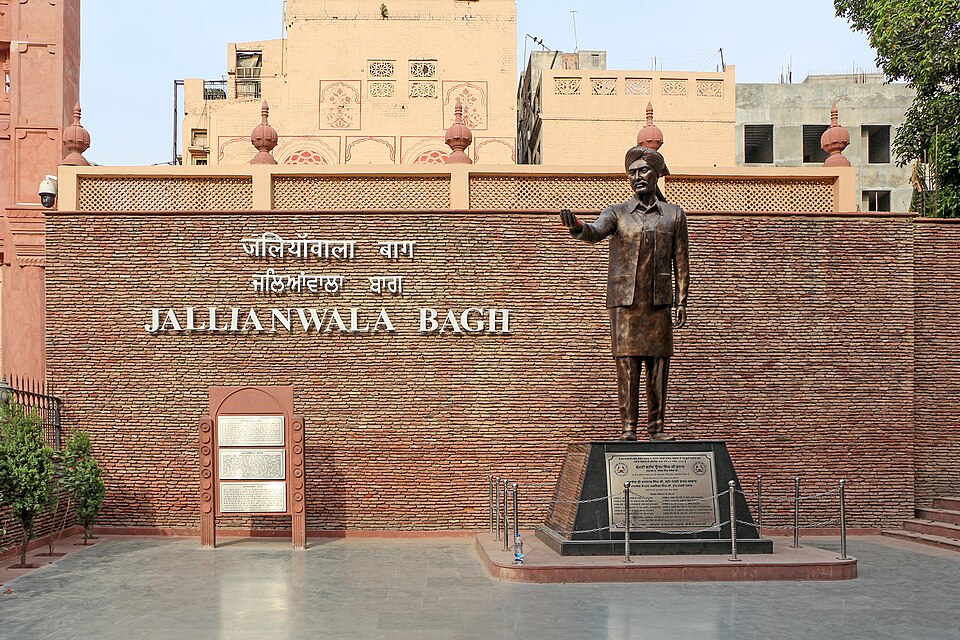 View in Gallery →
National memorial of tragedy — on April 13, 1919, British troops fired on thousands of unarmed civilians. The bullet-marked walls stand as an eternal reminder of sacrifice.
National Memorial · 1919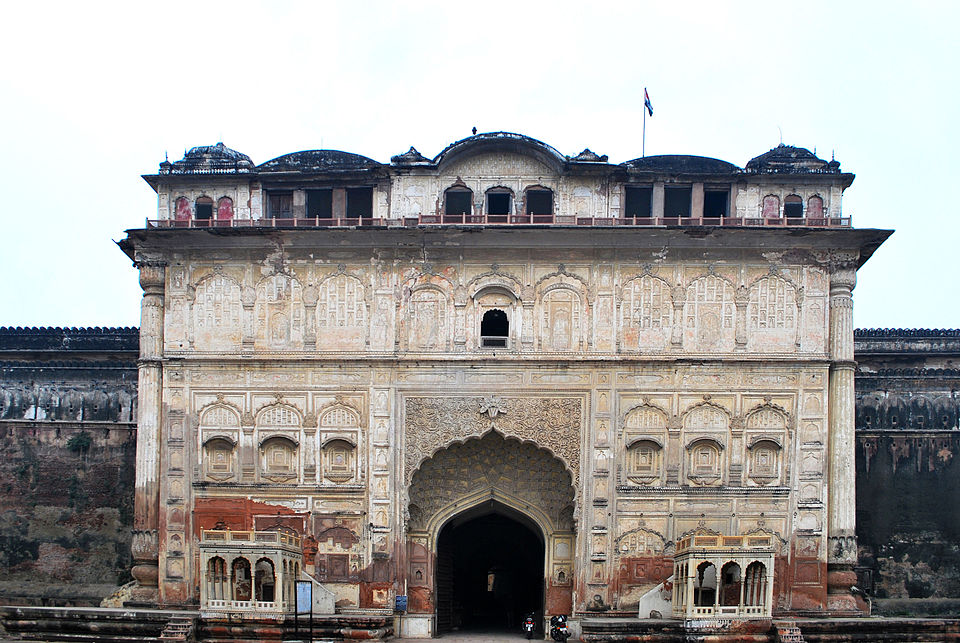 View in Gallery →
"Blessed Fort" — built in 1763 by Ala Singh. A grand Mughal-Rajput complex that served as the royal residence, now a museum of rare artefacts and royal heritage.
Mughal-Rajput · 1763| Feature | 🏛 Odisha | 🕌 Punjab |
|---|---|---|
| Famous For | Ancient Hindu & Jain Temples | Sikh Shrines & Mughal Era Forts |
| Architecture Style | Kalinga Style (Deula) | Mughal, Rajput & Sikh Architecture |
| Most Iconic Monument | Konark Sun Temple | Golden Temple, Amritsar |
| UNESCO Site | Konark Sun Temple | No officially inscribed UNESCO sites |
| Historical Period | 2nd BCE – 13th CE | 16th – 18th century CE |
| Religious Significance | Hindu & Jain | Sikh & Hindu |
| Material Used | Sandstone & Laterite | Marble & Gold |
Long ago, King Narasimhadeva I of Odisha wished to build a temple so magnificent that it would touch the sky and please the Sun God, Surya. Twelve hundred skilled craftsmen and architects were summoned, and for twelve years they toiled without rest. But as the deadline drew near, the massive shikhara (tower) refused to stand — it kept crumbling, and despair spread among the workers.
Among them was a young boy named Dharmapada, the son of the head architect Bishu Maharana. Though only twelve years old, Dharmapada had inherited his father's genius. One night, the Sun God appeared to him in a dream and revealed the secret of the capstone. The next morning, Dharmapada climbed to the top of the incomplete tower and placed the capstone perfectly — the shikhara stood firm and tall at last.
However, Dharmapada knew that the other workers, having failed for twelve years, would face the king's wrath. To protect them, the brave boy jumped from the top of the tower into the sea below, sacrificing himself so that the glory of the temple would not be overshadowed by blame.
To this day, the people of Odisha remember Dharmapada as a symbol of courage and selfless sacrifice. The Konark Sun Temple stands as a tribute not just to the Sun God, but to the young boy whose life made it possible.
Aditya Narayan · Class X-D · Roll 04
Delhi Public School Kalinga · 2026–27